The question at the heart of the book
What if your friend tells you something serious?
Being a good friend does not mean solving everything yourself. It means listening, taking the concern seriously and helping the right adult act safely.
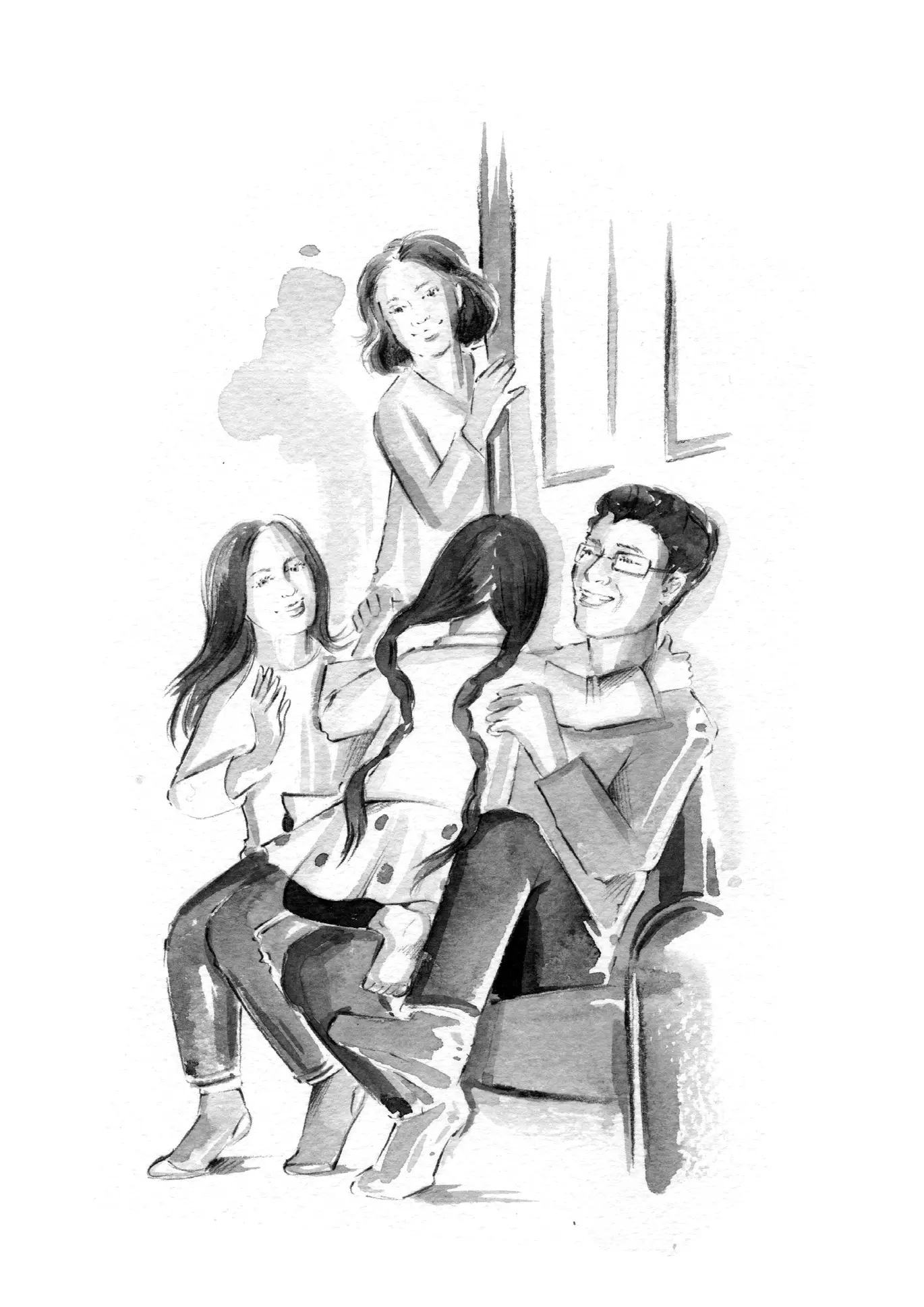
First response
Believe them. Stay calm. Do not investigate.
Your friend may be frightened, unsure or worried about what will happen if they speak. Listen without judgement. Do not contact their family or ask them to confront anyone. If someone may check their phone or messages, help them use a safe device.
A safe way forward
Notice. Listen. Tell.
- 01
Notice
Take changes seriously: fear about a holiday, pressure to marry, sudden absence, restricted movement or a friend saying they do not feel safe.
- 02
Listen
Let your friend speak in their own words. Do not interrogate them or ask for proof. Say: “I believe you. This is not your fault.”
- 03
Tell
Tell a trusted safeguarding adult promptly. At school, this may be the Designated Safeguarding Lead. Explain that secrecy could prevent your friend getting safe help.
Words you can use
You do not need the perfect sentence.
“I believe you.”
“You have the right to choose.”
“We need to tell someone who knows how to help safely.”
“I will stay with you while we speak to a trusted adult.”
Protect, do not investigate
Things not to do
Do not promise secrecy.
Do not confront family members.
Do not attempt mediation.
Do not post details online.
Do not put yourself in danger.
Direct answers
Questions friends ask
01Should I promise to keep it secret?
No. Explain that you care and need to tell a safe adult who can help. A promise of secrecy could leave your friend without protection.
02Should I speak to their family?
No. Do not confront relatives, investigate the family or attempt mediation. This could increase danger. Tell a safeguarding adult or seek specialist advice.
03What if I am not completely sure?
You do not need proof. Share exactly what you saw or heard with a trusted safeguarding adult and let trained professionals assess the concern.
04What if my friend is in immediate danger?
Contact local emergency services; in the UK, call 999. If the concern is not immediate, speak privately to a trusted adult, your school's Designated Safeguarding Lead or the Forced Marriage Unit.
If someone may be at risk
Safety comes first.
In an emergency, contact local emergency services. In the UK, call 999. For specialist advice, contact the Forced Marriage Unit or follow your school’s safeguarding procedure.